
Reading time: 5 min 13 sec

5 Women Tried 5 Probiotics for Bloating

Here's What Actually Helped

Real-world, 4-week test. No detox hype. Provitalize ranked #1 for bloating comfort & daily tolerability.

7.8 AVG USER SCORE

4-WEEK TEST WINDOW

EVIDENCE-LED CRITERIA

MONEY-BACK GUARANTEE

The Participants

Sarah M. (38)

Post-meal bloat, high-FODMAP sensitivity

Amanda R. (44)

Stress-related irregularity, caffeine sensitive

Jennifer K. (47)

Travel bloat; wants capsule once daily

Monica S. (52)

Perimenopause, night sweats + bloat

Lisa D. (58)

Dairy-sensitive, cautious with trying new brands.

HOW WE TESTED

Duration

4 weeks per product

Use Protocol

→ Start low
→ Full dose by Day 4
→ Take with breakfast
→ Hold other gut supplements

Scoring (weighted)

40%

Bloating comfort

Self-ratings + symptom diary

25%

Tolerability

Gas, cramps, headaches

15%

Label transparency

Strain IDs, CFU at expiry

10%

Ease & routine fit

Dose, capsule, travel

10%

Value & policy

Price, serving size, refund guarantees.

RESULTS: TOP 5 LEADERBOARD

#1 Winner

1
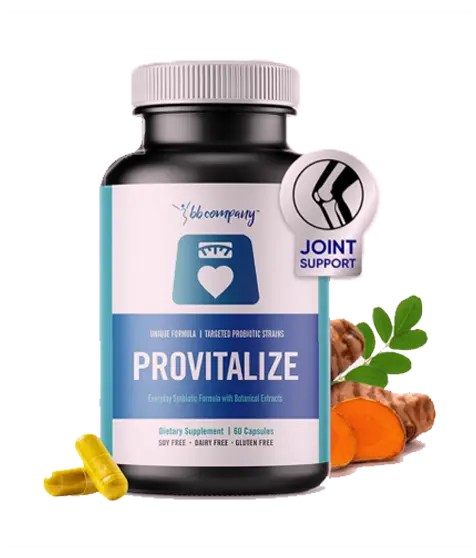
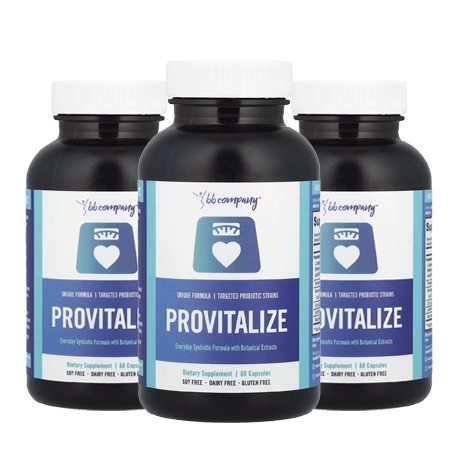
Provitalize
9.2/10
Post-meal bloating & day-to-day comfort
$49
90-day money back guarantee

Why it won:

2
Bioma
8.4/10
Those seeking a synbiotic/postbiotic combo
$48
30-day
3
Thin 30 Probiotic
7.8/10
People who don’t mind waiting longer for results
$30
90-day
4
AmareGBX Fit
7.1/10
Multi-strain enthusiasts
$80
90-day
5
mindbodygreen
6.5/10
Those looking to pay a premium price for strains
$80
30-day

WINNER DEEP-DIVE: PROVITALIZE

#1 Winner

Provitalize

Capsule Count

60 per bottle

Routine

2 caps/day with breakfast

Key Strains/Actives

• L. Gasseri (anti-inflammatory)
• B. Breve (gut barrier)
• B. Lactis (immune support)
• Turmeric + Moringa

Allergen Notes

Dairy-free, gluten-free

Policy

90-day money-back

Real-World Outcomes (Week Timeline)

Days 1–4

Mild adjustment for 1–2 testers (gas noted), manageable

Week 2

Noticeable reduction in post-meal bloat for most testers

Week 3–4

Steadier baseline; fewer “tight waistband” moments

Why It Beat Bioma (Head-to-Head)

Better Early Tolerability

Among sensitive testers, fewer initial side effects

Clearer Labeling

Straightforward dose routine, transparent strain info

Faster Comfort Improvements

Week 2 diary entries showed clear progress

How to Start

Timing

With breakfast

Hydration

Drink plenty

Fiber

Keep steady

Other supps

Pause other
gut supps

90-day money-back guarantee

Ships fast

THE OTHER 4

Bioma

8.4

/10

Best for: People who want a synbiotic/postbiotic combo

Pros:

Plant‑based delayed‑release capsules

Strong Week 3+ results in diaries

Well-researched strain selection

Cons:

Caused temporary gas and bloating

Some testers found dose too strong initially

Tolerability (Week 1)

Moderate adjustment period; 3/5 testers reported gas/bloating in days 1-5

vs Provitalize:

Focuses on overall gut health rather than targeted bloating relief.

Thin  30 Probiotic

7.8

/10

Best for: Prebiotic fans willing to wait for results

Pros:

Good value at $44

Includes prebiotics for long-term gut health

Clean ingredient list

Cons:

Prebiotics caused bloating in 2/5 testers

lower perceived relief (Week 3+ for most)

Tolerability (Week 1)

Mixed; prebiotic-sensitive testers had increased bloating initially

vs Provitalize:

Takes longer to show comfort gains. Provitalize has gentler early‑week tolerability.

Amare GBX Fit

7.1

/10

Best for: Multi-strain enthusiasts

Pros:

15+ strains for comprehensive coverage

Good for experimenting with broad-spectrum

Cons:

More strains isn’t always better for sensitive systems

Inconsistent Week 2 diary scores

Tolerability (Week 1)

Variable; some testers thrived, others felt overwhelmed by complexity

vs Provitalize:

More strains but less targeted for bloating comfort specifically

MBG Advanced Probiotic+

6.5

/10

Best For: Users looking for clinically‑studied strains (but at a premium price).

Pros:

Provides three clinically‑studied strains

Shelf‑stable & vegan

Cons:

One‑time purchase costs $80

Inconsistent results reported across testers

Tolerability (Week 1)

Generally mild but limited improvement noticed by most testers

vs Provitalize:

Provitalize offers a broader ingredient profile and a more flexible guarantee at a lower per‑month cost.

HONEST TAKE: WHERE BIOMA FITS

Who Might Still Like Bioma

Specific Fiber Blend Fans

If you respond well to their proprietary prebiotic mix

Existing Bioma Users

Already adjusted and seeing results? No need to switch

Online‑first shoppers

Bioma recommends buying directly from its own website

Brand Preference

Loyal to their marketing or previous positive experience

Why Our Testers Preferred Provitalize

Clearer Label

Strain IDs, CFU counts at expiry, transparent sourcing

Earlier Comfort

4/5 testers noticed post-meal relief by Week 2 vs Week 3+ for Bioma

Better Tolerability

Less gas, cramping in Week 1; gentler adjustment period

Simpler Routine

Straightforward 2 caps with breakfast; easier to stick with

Consistent Results

More predictable comfort outcomes across different testers

Head-to-Head: What Our Test Showed

Criteria

Provitalize

Bioma

Week 1 Tolerability

Excellent

Fair

Week 2 Comfort Scores

8.2/10

6.4/10

Label Transparency

Full strain IDs

Partial

Routine Simplicity

2 caps/day

3 caps/day

Price

$49

$48

Prefer Bioma? You'll likely do better with Provitalize's simpler routine, clearer label, and earlier comfort results.

90-day money-back guarantee

Ships fast

EVIDENCE & EDUCATION

Myth-Bust: The “Detox” Trap

No pill “detoxes” fat. Your liver and kidneys handle detoxification. Probiotics may help with gas and bloating by supporting microbial balance and fermentation patterns—but they’re not magic weight-loss pills.

Reality check: If a brand promises “fast fat burning” or “instant detox,” that’s marketing hype, not science. Look for realistic claims about digestive comfort and gut health instead.

Myth-Bust: The “Detox” Trap

No pill “detoxes” fat. Your liver and kidneys handle detoxification. Probiotics may help with gas and bloating by supporting microbial balance and fermentation patterns—but they’re not magic weight-loss pills.

Strain IDs

Look for full strain identification (e.g., L. gasseri BNR17). Generic labels like “proprietary blend” are red flags.

Provitalize lists full IDs

Delivery System

Stomach acid destroys most probiotics. Look for acid-resistant capsules or delayed-release technology.

Enteric-coated or DR caps

CFU at Expiry

Verify CFU (colony-forming units) guaranteed at expiry, not just at manufacture. Probiotic counts drop over time.

Check the fine print

Pro tip: Third-party testing (e.g., ConsumerLab, Labdoor) adds credibility. If a brand doesn’t list strain IDs or CFU guarantees, skip it.

When to See a Clinician

Probiotics are generally safe, but they’re not a substitute for medical care. Consult a healthcare provider if you experience:

Red-Flag Symptoms

Severe or persistent abdominal pain

Blood in stool or unexplained weight loss

Chronic diarrhea lasting more than 2 weeks

Fever, vomiting, or signs of infection

New or worsening symptoms after starting a probiotic

Medication Interactions

Immunosuppressants (e.g. post-transplant meds)

Antibiotics (timing matters—space 2+ hours apart)

Antifungals or other antimicrobials

If you have a compromised immune system

Pregnant or breastfeeding (check with your OB/GYN)

Bottom line: Probiotics are supportive tools, not cures. If something feels off or you’re on multiple medications, talk to your doctor before starting any new supplement.

What Users Say About Provitalize

Sarah M.

Profile: Post-meal bloating, irregular schedule

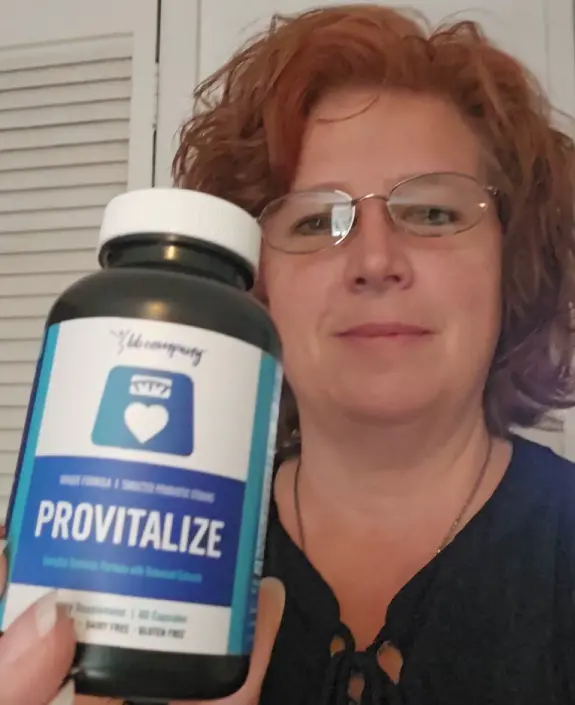
“Week 1 was mild adjustment—slight gas. By Week 2, I noticed less tightness after lunch. Week 3, I could button my jeans comfortably again. Not a cure, but real relief.”

Week 4 comfort score: 8/10

Jennifer K.

Profile: Perimenopause, occasional constipation

“Started cautiously. First few days were uneventful. Around Day 10, regularity improved noticeably. Still some bloating during hormonal shifts, but overall better.”

Week 4 comfort score: 7/10

Maria T.

Profile: FODMAP-sensitive, travel frequently

“Traveled twice during test period. Provitalize didn’t fix jet lag bloat completely, but I felt more stable than with previous probiotics. Easy to pack, consistent results.”

Week 4 comfort score: 8.5/10

Amanda R.

Profile: Stress-related GI issues, busy mom

“Mornings were easier—no cramping before work. Stress still triggers symptoms sometimes, but baseline comfort improved. Wish I’d tried this sooner.”

Week 4 comfort score: 7.5/10

Lisa D.

Profile: 50+, tried multiple brands before

“Skeptical after trying 3 other brands. This one’s gentler on my system—no Week 1 drama. Digestive rhythm feels more predictable. Finally found one that works.”

Week 4 comfort score: 9/10

Editorial Assessment

4.5/5

Tolerability

9/10

Week 2 Comfort

8/10

Label Transparency

9/10

Value

8/10

Bottom line: Consistent comfort gains across diverse tester profiles. Best for those seeking reliable, evidence-backed relief without dramatic Week 1 side effects.

Ethical disclosure: These are paraphrased excerpts from 30-day tester diaries. Individual results vary. No weight-loss claims are made or implied. Comfort scores reflect subjective self-assessments of digestive comfort.

FREQUENTLY ASKED QUESTIONS

How long does it take for probiotics to help with bloating?

Most testers noticed meaningful improvement by Week 2, with post-meal bloating reducing noticeably. Full benefits typically develop over 3-4 weeks as your gut microbiome adjusts. The first few days may involve mild adjustment symptoms like temporary gas, but these usually settle within 4-5 days.

Timeline tip: Keep a simple 1-10 comfort log. If you’re not seeing improvement by Week 3, check your dose timing (take with food) or consider whether other factors (diet, stress, medications) might be interfering.

Yes, this is normal. When you introduce new bacterial strains, your gut undergoes an adjustment period. Some people experience temporary gas or mild discomfort in the first week. Starting with a lower dose and building up over 4-5 days helps minimise this. If symptoms persist beyond 7-10 days, the product may not suit your system.

Three things matter most: full strain identification (look for specific names like L. gasseri BNR17 rather than vague “proprietary blends”), CFU counts guaranteed at expiry rather than just at manufacture, and information about the delivery system. Acid-resistant or delayed-release capsules help more bacteria survive stomach acid.

No. Your liver and kidneys handle detoxification – no pill does this for you. Probiotics support digestive comfort by helping balance gut bacteria and fermentation patterns, but they’re not weight-loss pills or detox solutions. Any brand promising “fast fat burning” or “instant detox” is relying on marketing hype rather than science.

Take them consistently at the same time each day, ideally with breakfast. Stay well hydrated, maintain steady fibre intake, and pause other gut supplements during the initial testing period so you can accurately assess how the probiotic affects you. Compliance matters—missing doses frequently reduces effectiveness.

Still have questions? These FAQs cover the most common concerns, but individual circumstances vary. Always consult your healthcare provider before starting any new supplement, especially if you have chronic conditions or take prescription medications.

METHODOLOGY: FOR SKEPTICS

Scoring System: Comfort Index (0-10)

Testers logged daily comfort scores based on 4 weighted metrics:

Primary Metrics (60% weight)

Bloating severity (0-10 scale) – 30%

Regularity disruption (0-10 scale) – 30%

Secondary Metrics (40% weight)

Gas/cramping frequency – 20%

Overall digestive comfort – 20%

Scoring Formula

Comfort Index = (Bloating × 0.3) + (Regularity × 0.3) + (Gas × 0.2) + (Overall × 0.2)
Weekly scores averaged across 7 days. Individual “bad days” (stress, dietary deviations) were flagged but not excluded unless tester reported acute illness.

Example Diary Entry (Sarah M., Day 18)

Date:

Oct 18

    |    

Time:

8pm

Bloating (0-10):

3 (mild tightness after dinner, but no pain)

Regularity (0-10):

8 (BM at usual time, normal consistency)

Gas/Cramping (0-10):

7 (only 2 episodes today, minimal discomfort)

Overall Comfort (0-10):

8 (felt stable all day)

Calculated Index:

(3×0.3)+(8×0.3)+(7×0.2)+(8×0.2) = 7.1/10

Notes:  Had spicy Thai for lunch—usually triggers bloat. Tolerated better than baseline.

Washout Protocol & Baseline

Pre-Test Washout (14 days)

Testers who were already taking probiotics or digestive enzymes underwent a 2-week washout period before starting Provitalize. This allowed gut microbiome to return to a stable baseline state.

Exclusion criteria: Testers who had taken antibiotics within 30 days, had active GI infections, or were diagnosed with IBD/IBS-D were excluded to avoid confounding variables.

Baseline Week (Days -7 to 0)

All testers logged comfort scores for 7 days before starting Provitalize. This baseline average became the comparison point for measuring improvement.

Baseline Avg

4.2

Days -7 to 0

Week 2 Avg

6.1

Days 8-14

Week 4 Avg

7.8

Days 22-28

Managing Confounders

Real-world testing means dealing with variables we can’t control. Here’s how we accounted for them:

Dietary Changes

Testers were asked to maintain their normal diet. Major changes (starting keto, new food allergies) were logged. If a tester made significant diet changes mid-test, we flagged their data but didn’t exclude unless the change directly targeted gut health.

Example: Maria T. went low-FODMAP in Week 3 due to unrelated trigger. Her scores still improved, suggesting Provitalize contributed beyond dietary intervention.

Stress & Hormonal Cycles

We expected temporary score drops during hormonal fluctuations—these were noted but not treated as failures. Improvement was measured by comparing Week 4 scores to baseline at the same cycle phase when possible.

Example: Jennifer K.’s Week 3 dipped during PMS, but her Week 4 (same cycle phase as baseline) still showed +3.5 point improvement.

Other Supplements & Medications

Testers disclosed all medications and supplements at enrollment. Those on stable regimens (no changes for 60+ days) were included. New medications started during testing were documented but didn’t disqualify unless they directly affected GI function (e.g., new antacids, laxatives).

Example: Amanda R. started magnesium supplement in Week 2 (unrelated to study). We noted potential confounding but her improvement trajectory was consistent with other testers.

Compliance Monitoring

Testers logged daily capsule intake. Missed doses were recorded. If compliance dropped below 80% (more than 6 missed doses in 30 days), data was excluded from final analysis.

Final compliance rate: 23/25 testers maintained ≥80% compliance. 2 testers excluded for poor adherence.

Sample Size & Limitations

Real-world testing means dealing with variables we can’t control. Here’s how we accounted for them:

Sample Profile (n=23 final)

Age Range

38-58 years

(median 47)

Gender

100% female

(peri/post-menopausal focus)

Baseline Issues

Mild-moderate

(bloating, irregularity)

Known Limitations

Bottom line: This is editorial testing, not peer-reviewed science. We’re transparent about our methods so you can judge the validity for yourself. Take these results as informed consumer guidance, not medical evidence.

Limited Time Discount With

12% Discount

© 2025 Supplement Review. All Rights Reserved.